If you live in Salt Lake County, emissions testing is mandatory for vehicle registration renewal. Utah emissions testing ensures your vehicle's emissions control systems are functioning properly, a requirement driven by the valley's well-documented air quality challenges, particularly winter inversions that trap pollution along the Wasatch Front.
Who Needs an Emissions Test in Utah?
Emissions testing requirements in Utah depend on your county and your vehicle's age. In Salt Lake County, most vehicles need an emissions test for registration. Newer vehicles (typically model years six years old or newer) are generally exempt, and diesels follow a different testing schedule. The specific requirements can change, so it's worth checking with the Utah Division of Motor Vehicles or the Utah DEQ before your registration comes due.
If you're unsure whether your vehicle needs testing, a quick call to a local shop that performs emissions and inspections can clarify what applies to your specific vehicle.
What Happens During the Test?
For most vehicles in Salt Lake County, the emissions test is an OBD-II (On-Board Diagnostics) scan. The technician plugs a diagnostic reader into your vehicle's computer port and checks for active trouble codes, pending codes, and whether all the emissions-related system monitors have completed their self-checks. If the check engine light is on, the vehicle will automatically fail.
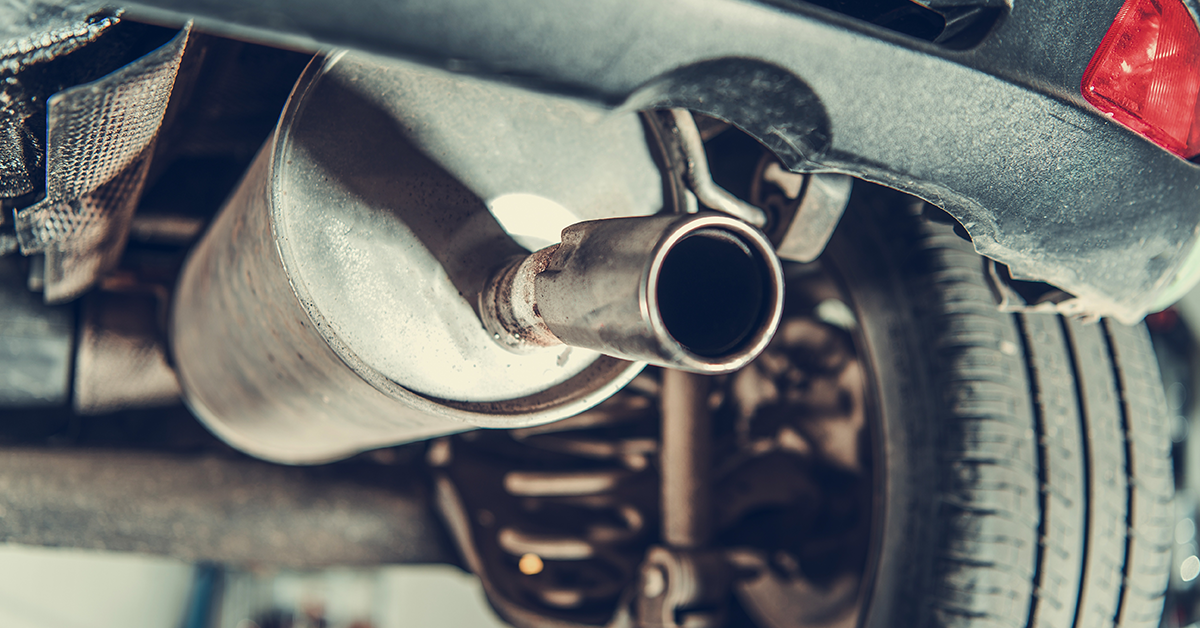
Older vehicles may still require a tailpipe emissions test, where actual exhaust gas measurements are taken. Diesel vehicles have their own specific testing protocols. The test itself is quick, usually completed in under 15 minutes, but what happens before the test is what determines whether you pass.
Common Reasons Vehicles Fail in Salt Lake County
The most common reason for failure is an illuminated check engine light, which can be triggered by anything from a loose gas cap to a failing catalytic converter. Other frequent culprits include a bad oxygen sensor, a malfunctioning evaporative emission control system (EVAP), misfiring spark plugs, or a catalytic converter that's no longer operating efficiently.
Another common issue in Salt Lake City is incomplete readiness monitors. If your battery was recently disconnected or replaced, or if the vehicle's computer was recently reset, the OBD-II system needs time to run its internal checks. Showing up for a test before those monitors have completed will result in a rejection, not a failure, but still a wasted trip.
How to Prepare Your Vehicle Before Testing
The best preparation is consistent maintenance. A well-maintained vehicle with no active warning lights will pass its emissions test without any special preparation. However, if your check engine light is on, get it diagnosed and repaired before scheduling the test. It's an automatic fail.
Drive the vehicle for at least a week before testing if the battery was recently disconnected. This gives the system monitors time to complete their cycles. Make sure the gas cap seals properly; a cracked or loose cap is one of the cheapest fixes that prevents a failure. And if your vehicle is due for spark plugs, an oil change, or an air filter, taking care of those beforehand can help the engine run cleaner during the test. We've covered more preparation strategies in our guide on how to avoid failing your emissions test.
What If You Fail?
Failing an emissions test isn't the end of the road. You'll receive a report identifying the reason for failure, and you can have the issue repaired and retested. Utah also offers a waiver program for vehicles that fail but whose owners have invested a qualifying amount in emissions-related repairs. Your mechanic can walk you through the options based on your specific situation.
Need an emissions test or worried about passing? Aposhian Garage performs emissions testing and inspections in Salt Lake City. We can test your vehicle, diagnose any issues, and get you road-legal. Call (801) 467-3344 or schedule your test.
Frequently Asked Questions
Most vehicles in Salt Lake County require an emissions test every 1 to 2 years as part of the registration renewal. The frequency depends on your vehicle's age and type. Check your registration renewal notice or contact the Utah DMV for your specific schedule.
Yes. An illuminated check engine light is an automatic failure on the OBD-II emissions test, regardless of the underlying cause. Have the code diagnosed and the issue resolved before scheduling your test.
Clearing codes resets the OBD-II monitors, which means the system won't be "ready" for testing. The vehicle will be rejected until the monitors complete their cycles, which requires driving under specific conditions. It's not a shortcut. Fix the underlying problem instead.
Yes. Utah has a waiver program for vehicles that fail emissions testing after the owner has spent a qualifying amount on emissions-related repairs. Your mechanic or the Utah DEQ can provide details on current waiver requirements and eligibility.
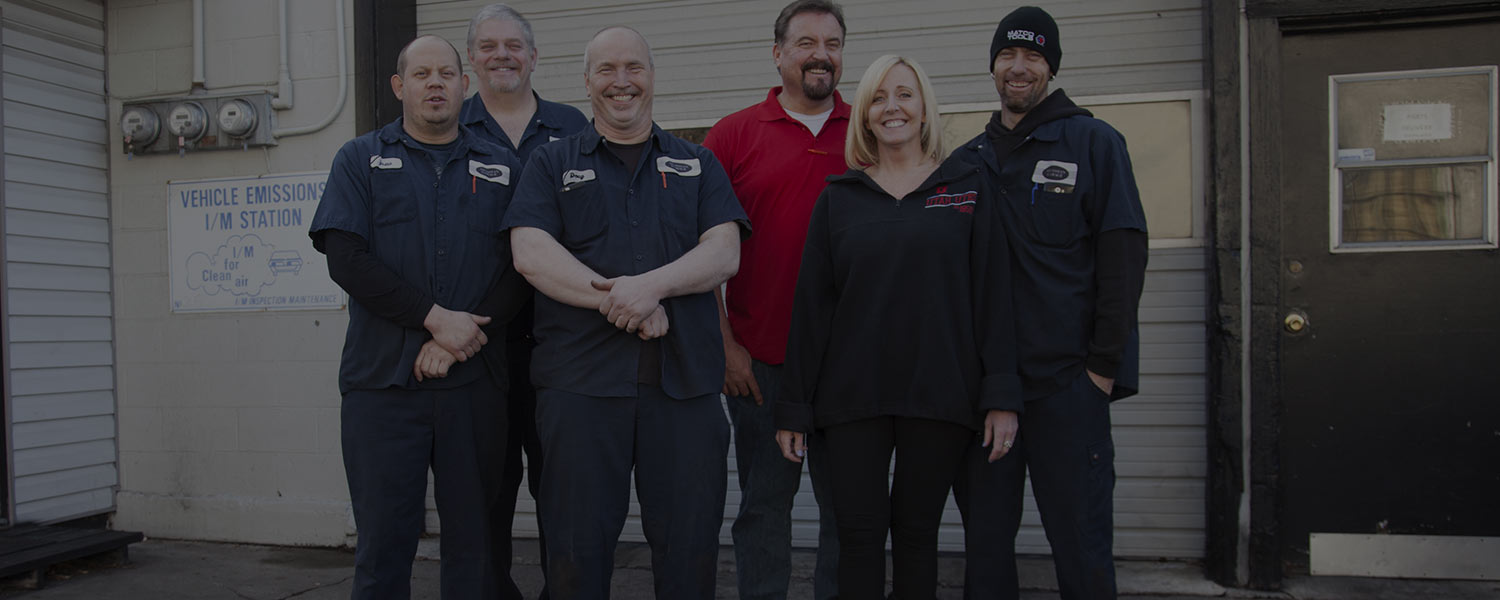
Written by the team at Aposhian Garage, providing auto maintenance and repair in Salt Lake City since 1928.
When using Aposhian Garage, you have not only had your Subaru properly maintained, but you have also found your Subaru repair “home.”
We look forward to getting to know you and your vehicle!