Transmission problems are among the most expensive repairs a vehicle can need, and they rarely come without warning. The challenge is that early transmission symptoms are easy to dismiss or confuse with other issues. For Millcreek and Salt Lake City drivers, understanding what to watch for can be the difference between a manageable repair and a full transmission replacement.
How Your Transmission Works
The transmission transfers power from your engine to the wheels, shifting through gears to match your speed and driving conditions. Automatic transmissions do this through a complex system of hydraulic fluid, clutch packs, bands, and a torque converter. Manual transmissions use a clutch pedal and gear selector. Both types rely on transmission fluid to lubricate, cool, and create the hydraulic pressure needed for smooth operation.
When any part of this system starts to degrade, the transmission communicates through symptoms you can feel, hear, or see. Catching those early signals and getting a diagnosis before the damage spreads is the most effective way to keep repair costs manageable.
Transmission Warning Signs for Utah Drivers
Slipping is one of the most common early symptoms. It feels like the engine revs higher than normal before the vehicle accelerates, as if the transmission momentarily loses its grip on the gear. You might also notice the transmission unexpectedly shifting between gears or the vehicle feeling sluggish during acceleration.
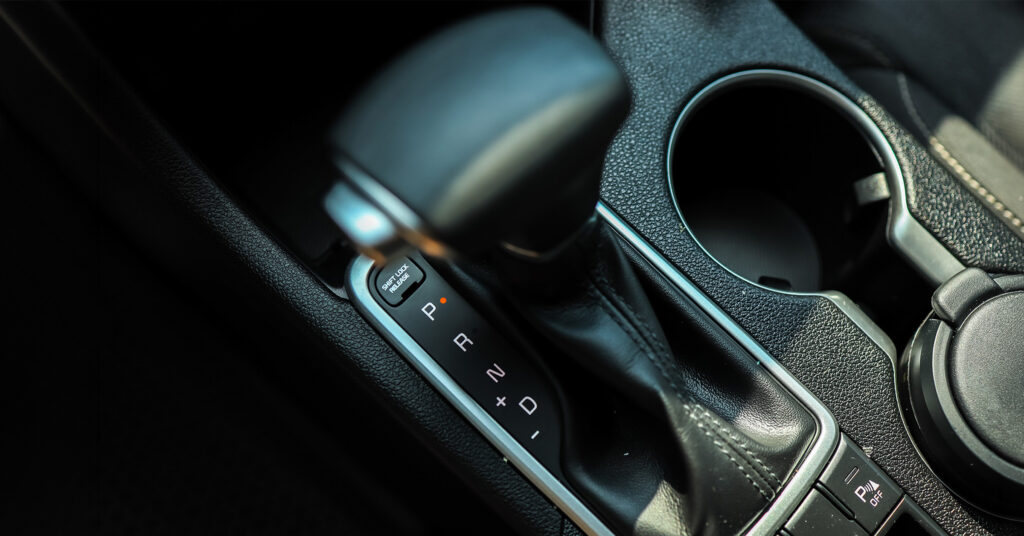
Delayed engagement is another early sign. When you shift from Park to Drive or Reverse, there should be an almost immediate response. If there is a noticeable pause before the vehicle moves, the transmission is struggling to engage. This is often a fluid pressure issue that can be addressed before it becomes a mechanical failure.
Sounds and Smells That Indicate Problems
Unusual noises during shifting, such as clunking, whining, or buzzing, often indicate internal wear. Automatic transmissions should shift smoothly and quietly. Any new sound during acceleration or deceleration is worth investigating.
A burning smell from under the vehicle can indicate overheated transmission fluid. Overheated transmission fluid breaks down, losing its ability to lubricate and cool the internal components. This is particularly relevant for Millcreek drivers who commute on I-15 or I-80 in stop-and-go traffic, where the transmission works harder and generates more heat.
Check Your Transmission Fluid
Transmission fluid should be checked regularly, though not all modern vehicles make this easy. On vehicles with a transmission dipstick, the fluid should be pinkish-red and relatively clear. Fluid that is dark brown or has a burnt smell has degraded and is not protecting the transmission properly.
Low fluid levels can indicate a leak, which is common at the pan gasket, cooler lines, or seals. Driving with low or degraded transmission fluid accelerates wear on every internal component. If you are unsure about your fluid condition, a quick check at a local repair shop takes only a few minutes.
Utah Driving Conditions and Transmission Wear
Certain driving conditions common in the Millcreek and Salt Lake City area put extra stress on transmissions. Stop-and-go commuting along 3300 South and I-15 keeps the transmission cycling through gears more frequently than highway driving. Towing or hauling, even occasionally, generates additional heat. And driving in the canyons near Millcreek, where steep grades require frequent downshifting, can wear out the transmission over time.
Temperature extremes also play a role. Cold winter starts mean the fluid is thicker and less effective until the vehicle warms up. Hot summer days push fluid temperatures higher, especially in traffic. Staying on top of fluid changes and addressing early symptoms prevents these conditions from shortening your transmission's life.
When to See a Mechanic
Do not wait for a transmission problem to get worse. The earlier a diagnosis is made, the more options you have, including fluid changes, solenoid replacement, or minor internal repairs, all far less expensive than a full rebuild or replacement. If your vehicle is showing any of the warning signs described above, bring it in for a transmission evaluation before the damage spreads.
Noticing transmission issues? Aposhian Garage in Salt Lake City, right next to Millcreek, diagnoses and repairs transmission problems for all makes and models. Call (801) 467-3344 or schedule your visit.
Frequently Asked Questions
The most common early signs include slipping (engine revs but the car hesitates to accelerate), delayed engagement when shifting from Park to Drive, unusual clunking or whining sounds during shifts, and a burning smell from under the vehicle. Any of these warrants a professional diagnosis.
Aposhian Garage at 1450 E 3300 S in Salt Lake City is directly adjacent to Millcreek and provides transmission diagnosis and repair for all makes and models. We identify the root cause before recommending repairs so you only pay for what is actually needed.
Transmission repair costs vary widely depending on the issue. Minor repairs, such as fluid changes or solenoid replacements, are relatively affordable, while a full rebuild or replacement is more significant. Early diagnosis typically results in lower repair costs, which is why addressing symptoms early matters.
Driving with a slipping transmission is not recommended. The problem will get worse over time, and continued driving can cause additional internal damage, increasing repair costs. Have it diagnosed as soon as you notice symptoms to preserve your options.
Written by the team at Aposhian Garage, providing auto maintenance and repair in Salt Lake City since 1928.
When using Aposhian Garage, you have not only had your Subaru properly maintained, but you have also found your Subaru repair “home.”
We look forward to getting to know you and your vehicle!